



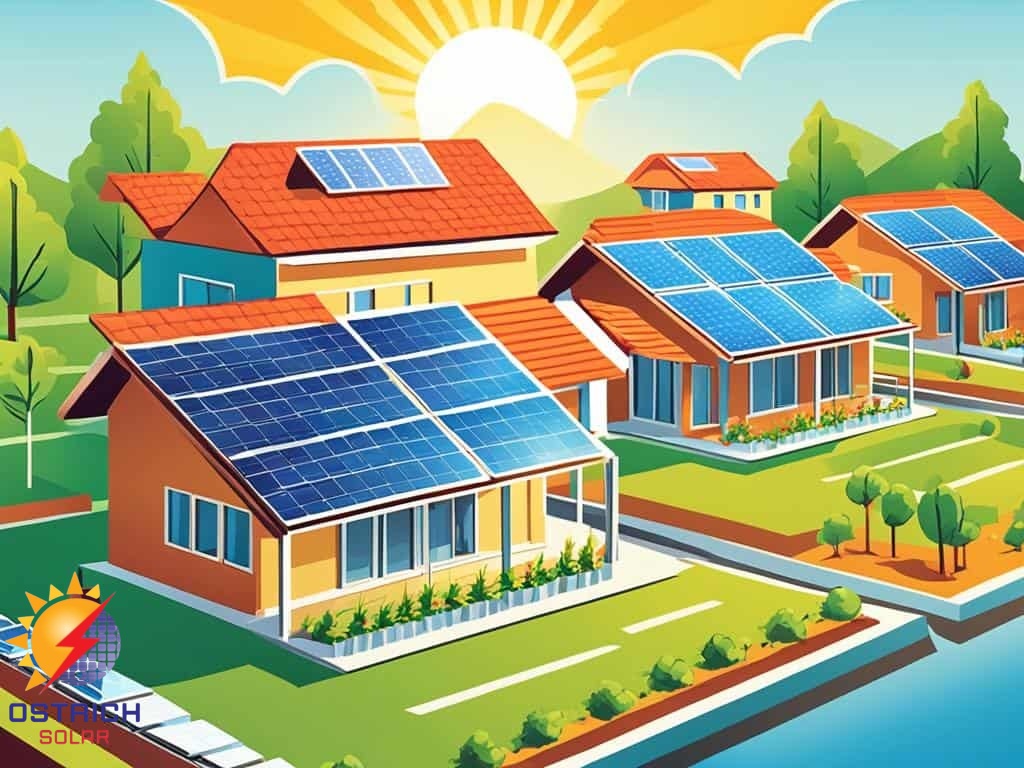
PM Surya Ghar: Muft Bijli Yojana - A Revolutionary Step Towards Solar Empowerment
The Indian government has always strived to promote renewable energy, and the PM Surya Ghar: Muft Bijli Yojana is a significant milestone in this journey. Officially approved on 29th February 2024, this scheme is aimed at enhancing the share of solar rooftop capacity across residential households, empowering them to generate their own electricity. With a robust financial outlay of Rs 75,021 crore, this initiative is slated to be implemented until FY 2026-27.
This blog will delve into the multiple aspects of the PM Surya Ghar: Muft Bijli Yojana, covering everything from its key components to the Vendor Rating Programme, highlighting how it aims to revolutionize the solar energy landscape in India.
Understanding the PM Surya Ghar: Muft Bijli YojanaThe PM Surya Ghar: Muft Bijli Yojana is not just about encouraging solar installations but about democratizing electricity generation, especially for residential consumers. Whether individuals or Residential Welfare Associations (RWAs), the scheme allows them to install rooftop solar systems by choosing from a list of approved vendors available on a national portal. These consumers can also avail subsidies once the installations are completed and inspected, making solar energy affordable for the masses. However, one of the most critical features of the scheme is its push towards ensuring quality installations. With the scheme focusing on both the National Programme Implementation Agency (NPIA) and State Implementation Agencies (SIA), the government has created a streamlined process, allowing consumers to make informed choices about vendors and ensure the highest standards of solar system installation.
The Importance of Vendor Rating ProgrammeWhile rooftop solar systems are gaining popularity, the market for vendors is still unorganized. The Vendor Rating Programme (VRP), integrated into this scheme, addresses the unregulated vendor ecosystem and allows consumers to assess vendors based on their credibility and past performance. With the lack of standardized ratings in the market, this initiative ensures transparency and reliability.
The VRP is crucial for several reasons: 1. Encouraging High-Quality Installations:Vendors will be rated based on their ability to maintain industry best practices, ensuring optimal performance and compliance with safety norms. This system will incentivize vendors to raise their standards, leading to better installations and services.
2.Consumer Awareness and Protection:The ratings act as an informative tool for consumers, allowing them to make choices based on the quality and credibility of the vendor. This system also ensures that consumers can select vendors offering the best value for money.
Scope and Objectives of the Vendor Rating ProgrammeThe VRP aims to evaluate registered rooftop solar vendors based on a variety of factors like service quality, safety, and overall consumer satisfaction. This comprehensive rating system is designed to ensure transparency and build trust between vendors and consumers.
The objectivesof the VRP are: - Standardizing Vendor Performance:The program provides a clear, objective rating methodology, ensuring that vendors are judged by consistent standards.
- Encouraging Accountability:Vendors are pushed to offer better services by enhancing their accountability and focusing on performance.
- Boosting Market Transparency:By providing performance-based ratings, consumers can easily compare vendors and make informed decisions, fostering healthy competition.
The Rating Process: A Multi-Faceted ApproachThe Vendor Rating system is categorized into three tiers based on the total number of eligible installations a vendor has completed. Each tier evaluates vendors on a combination of factors, including:
1. Consumer Feedback:Feedback is collected via the national portal or the national call center after installation. Consumers are asked to rate the vendor on various dimensions, including installation quality and post-installation services.
2. Quality Assessment:This involves a physical assessment of 2-5% of the installed sites. Factors such as compliance with engineering standards, installation quality, and post-installation service are assessed. Independent system assessors carry out this quality assessment.
3. Techno-Financial Assessment (TFA):For Tier I and Tier II vendors, a TFA is conducted based on self-reported financial documents. This includes evaluating the vendor’s technical and financial health, considering factors like the annual installed capacity and the vendor’s operational systems.
Together, these assessments provide a cumulative score for each vendor, which will be displayed on the national portal for consumer reference.
Encouraging Top Performers: Champion VendorsThe Champion Vendorprogram incentivizes top-performing vendors in Tier I by recognizing those who meet the 90th percentile in their tier. These vendors are expected to take leadership roles within the ecosystem, promoting best practices, running large campaigns, and providing dedicated service channels.
Implementation and Future ProspectsThe NPIA plays a central role in implementing the VRP. The agency is responsible for overseeing the entire process, from consumer feedback and quality assessment to site verification. It has also empaneled Approved System Assessors (ASAs) to ensure impartial quality assessments.
The future of the PM Surya Ghar: Muft Bijli Yojanalooks promising. With a structured vendor rating system, financial support, and a dedicated focus on ensuring quality and transparency, the initiative will likely boost India’s solar rooftop capacity, contributing to the country’s renewable energy goals.
ConclusionThe PM Surya Ghar: Muft Bijli Yojana is an ambitious and well-structured scheme aimed at transforming the rooftop solar landscape in India. With its focus on empowering residential consumers, ensuring high-quality installations through the Vendor Rating Programme, and pushing for greater transparency, this scheme sets a strong precedent for future renewable energy initiatives. By making solar energy more accessible, affordable, and reliable, India is paving the way for a cleaner, greener future.