



Exploring Solar Energy: APEPDCL's New Grid-Connected Rooftop PV System
Solar energy is emerging as one of the most sustainable and cost-effective sources of energy worldwide. India, with its abundant sunlight, stands at the forefront of this renewable revolution. The Eastern Power Distribution Company of Andhra Pradesh Limited (APEPDCL) has made significant strides in making solar energy more accessible to residential and commercial consumers. Their recent tender outlines the costs and subsidies available for grid-connected rooftop photovoltaic (PV) systems, providing a clear pathway for individuals and communities looking to make the switch.
Solar Rooftop PV System: A Breakdown of Costs
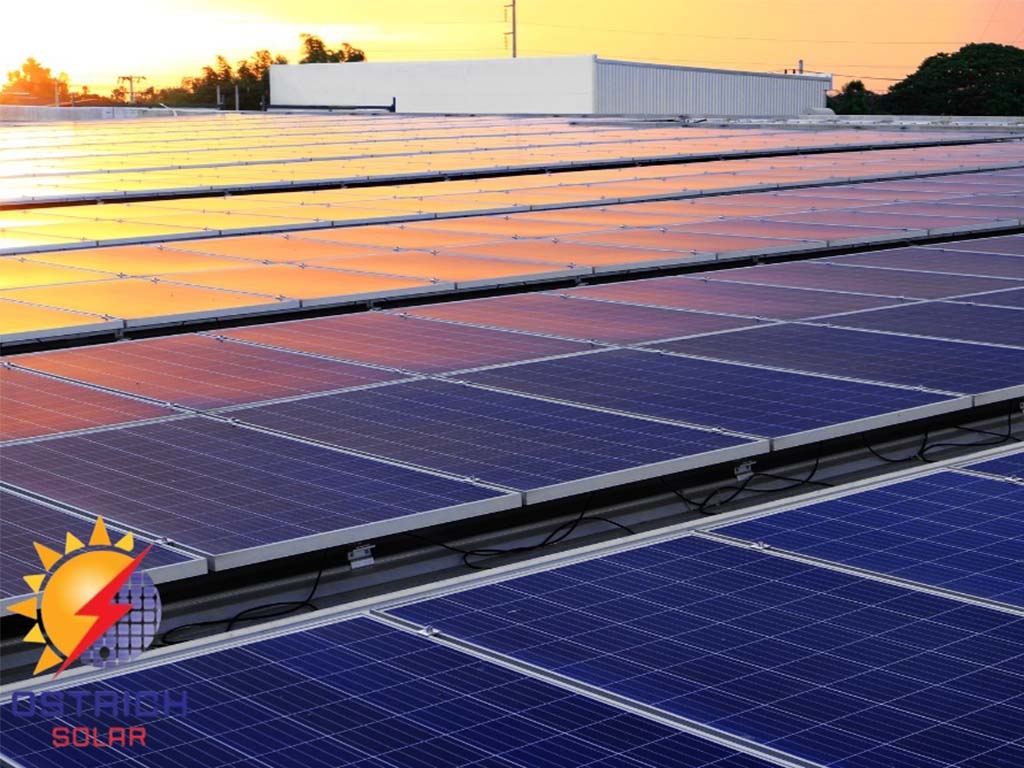
The rooftop solar PV system is an efficient solution for homes and commercial buildings aiming to harness solar power. APEPDCL has released a detailed breakdown of the costs for various system capacities, ranging from 1 KWp to 500 KWp. For residential consumers, a 1 KWp system comes at a project cost of ₹50,000, with the government offering a subsidy of ₹9,400, leaving the consumer to pay a net amount of ₹41,600. As the capacity increases, the costs scale accordingly, with subsidies adjusting to ease the financial burden.
For instance, a 5 KWp system has a total project cost of ₹2,20,000, with a subsidy of ₹65,600, bringing the net payable amount down to ₹1,54,400. The application fee varies based on the capacity, starting from ₹1,000 for smaller systems and reaching ₹10,000 for larger capacities.
Subsidy and Support from MNRE
The Ministry of New and Renewable Energy (MNRE) plays a crucial role in encouraging the adoption of solar energy. Their subsidy scheme helps make solar energy more affordable for consumers. The subsidies cover a significant portion of the project costs, ranging from ₹9,400 for a 1 KWp system to ₹98,800 for systems above 100 KWp. This financial assistance ensures that solar power becomes a feasible option for many, reducing the initial investment required.
Solar Power for Residential Welfare Associations
Not just individual households, but also Residential Welfare Associations (RWAs) can benefit from these schemes. The tender released by APEPDCL includes provisions for common services in residential complexes. Systems ranging from 4 KWp to 500 KWp are eligible, with competitive prices making solar energy an attractive option for RWAs. For instance, a 200 KWp system costs around ₹7.2 million, with a subsidy of ₹93,600, making the net payable amount significantly lower.
Conclusion: A Greener Tomorrow
By providing competitive pricing and substantial subsidies, APEPDCL is paving the way for a greener, more sustainable future. Solar energy not only reduces electricity bills but also contributes to reducing our carbon footprint. As these incentives continue to evolve, it's clear that solar power is the way forward, both for individual households and larger residential communities. The time to embrace solar energy is now, and APEPDCL’s tender offers an excellent opportunity to make the transition smoother and more affordable.