



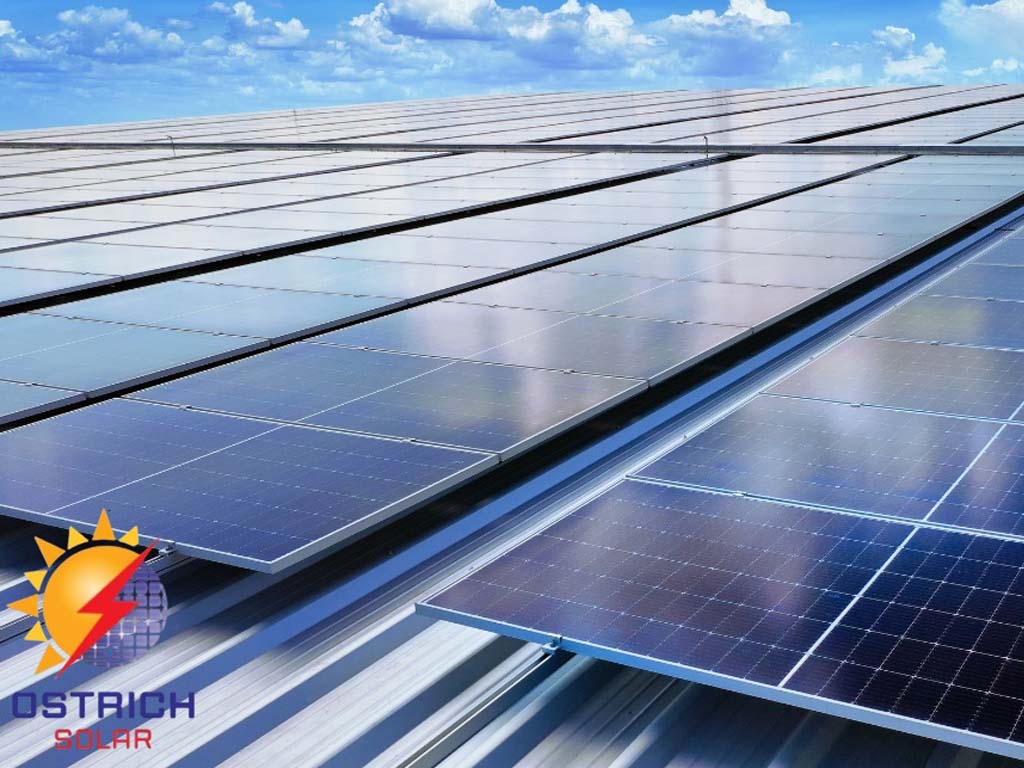
Solar Rooftop Implementation through APEPDCL: A Key Player in Phase II of Grid Connected Solar Rooftop Programme
As India strives to meet its ambitious renewable energy goals, the implementation of solar energy systems plays a pivotal role. The Andhra Pradesh Eastern Power Distribution Company Limited (APEPDCL) has made significant strides in promoting solar adoption through the Phase II of Grid Connected Solar Rooftop Programme, supported by the Ministry of New and Renewable Energy (MNRE). This initiative focuses on the residential sector, offering substantial financial support and a streamlined process for installing rooftop solar photovoltaic (PV) systems.
This blog will provide a detailed overview of APEPDCL’s role in this program, covering everything from pricing and central financial assistance (CFA) to the benefits of adopting solar energy.
The Online Portal for Solar Rooftop Applications
One of the key steps taken by APEPDCL is the development of an online web portal for solar rooftop applications. This portal, available at [https://onlineapp.apeasternpower.com/](https://onlineapp.apeasternpower.com/), allows users to seamlessly apply for solar rooftop installations. The IT wing of APEPDCL designed the portal to simplify the process, making it easier for residential consumers to participate in the government-backed program.
The availability of an online application system is crucial in enabling widespread adoption of solar power, especially as it removes the need for time-consuming paperwork and offers transparency throughout the application and installation process.
Empanelment of Agencies for Rooftop Solar Installations
APEPDCL has also empaneled agencies for the design, supply, installation, and commissioning of grid-connected rooftop solar photovoltaic (PV) systems. These agencies are responsible for installations with capacities ranging from 1 KWp to 500 KWp.
By empaneling trusted vendors, APEPDCL ensures that consumers have access to high-quality systems that meet the specifications laid out by MNRE and the International Electrotechnical Commission (IEC). These standards guarantee that the components used—such as solar modules and inverters—adhere to stringent safety and performance benchmarks.
Pricing Structure for Rooftop Solar Systems
The pricing for solar rooftop systems under APEPDCL is highly competitive and tiered based on the system's capacity. Here’s a breakdown of the pricing:
1. 1 KWp capacity: ₹50,000 per KWp.
2. Above 1 KWp to 2 KWp capacity: ₹47,000 per KWp.
3. Above 2 KWp to 3 KWp capacity: ₹45,000 per KWp.
4. Above 3 KWp to 10 KWp capacity: ₹44,000 per KWp.
5. Above 10 KWp to 100 KWp capacity: ₹38,000 per KWp.
6. Above 100 KWp to 500 KWp capacity: ₹36,000 per KWp.
These prices include the design, supply, installation, and commissioning of the systems, along with a five-year warranty and Annual Maintenance Contract (AMC). This comprehensive service offering ensures that consumers are not only receiving a state-of-the-art solar system but are also covered for any potential maintenance needs over the years.
Central Financial Assistance (CFA) for Residential Solar Installations
One of the most attractive aspects of the Grid Connected Solar Rooftop Programmeis the availability of Central Financial Assistance (CFA) for residential consumers. This CFA significantly reduces the cost burden on consumers, making solar energy more accessible to a wider audience. The assistance is structured as follows:
-40% CFA for solar rooftop systems up to 3 KW.
- 20% CFA for systems above 3 KW to 10 KW.
This financial support makes adopting solar power much more affordable, encouraging homeowners to make the switch to clean energy. By reducing upfront costs, the government is incentivizing mass adoption, which in turn will contribute to the broader goal of increasing renewable energy capacity in the country.
Benefits of Rooftop Solar Systems
Solar rooftop installations offer a host of benefits, both for individual consumers and society at large:
1. Energy Savings: Homeowners who install rooftop solar systems can significantly reduce their monthly electricity bills by generating their own power. This reduction in utility costs allows homeowners to see a return on their investment over time.
2. Environmental Impact: Solar energy is a clean, renewable source of power. By adopting solar energy, consumers reduce their carbon footprint and contribute to a greener, more sustainable future.
3. Reliability and Independence: Solar energy provides greater energy independence for households, reducing reliance on the grid. With the added benefit of battery storage, homes can continue to access power even during outages.
4. Government Incentives: With the availability of CFA, government subsidies make it easier for homeowners to install solar systems at a reduced cost. These incentives, combined with the long-term savings on energy bills, make solar an attractive investment.
5. Increased Property Value: Homes with installed solar systems often see an increase in property value, as future homeowners value the savings on energy costs and the environmentally friendly footprint.
The Road Ahead: Accelerating Solar Adoption in Andhra Pradesh
The Phase II of the Grid Connected Solar Rooftop Programme through APEPDCL is a critical step in helping India achieve its renewable energy targets. By simplifying the application process, empaneling trusted vendors, and offering financial assistance, APEPDCL is making it easier than ever for residential consumers to switch to solar power.
As more households adopt solar energy, Andhra Pradesh will be able to contribute significantly to the nation’s goal of achieving 100 GW of solar capacity by 2022. This program also plays a crucial role in reducing greenhouse gas emissions, promoting energy security, and boosting local economies by creating jobs in the renewable energy sector.
Conclusion
The APEPDCL Solar Rooftop Programme under Phase II of MNRE’s Grid Connected Solar Rooftop Programme is a well-rounded initiative aimed at fostering solar adoption in the residential sector. With an accessible online application portal, a transparent pricing structure, and significant financial assistance, this initiative offers a straightforward path for homeowners to transition to clean energy.
By embracing rooftop solar systems, consumers in Andhra Pradesh can save on electricity bills, reduce their environmental impact, and contribute to a more sustainable future. The collaborative efforts between government agencies and empaneled vendors ensure that high-quality, efficient solar systems are installed across the state, benefiting individual households and the community at large.